Key takeaways
- You can overload with more weight, more reps, more sets or better execution.
- Double progression: add reps first, then add the smallest weight step once every set hits the top of the rep range.
- Leave 1–3 reps in reserve on main lifts. Do not take them to failure.
- If a lift has not moved for 2–3 weeks, check recovery first and deload if needed.
What progressive overload means
Muscles, tendons and your nervous system adapt to the demands you place on them. Once a workout stops being challenging, progress slows and eventually stops. Progressive overload means raising the demand gradually: the weight, reps or sets go up over weeks and months.
Gradually is the important word. Not every session has to beat the last one. What matters is that three months from now you lift clearly more than you do today, with the same technique.
Four ways to add overload
- Add weight for the same reps. The clearest measure, and the default for main lifts such as the Back Squat and Bench Press.
- Add reps with the same weight. Useful for accessories and home training, where the next weight step is a big jump.
- Add sets. This works, but volume cannot rise forever. See how many sets per week.
- Improve execution: full range of motion, a controlled lowering phase, no bouncing or swinging. That is progress too, even if the number on the bar stays the same for a while.
In research, progressing load and progressing reps have produced very similar muscle growth (Plotkin et al. 2022). So you can pick whichever suits the exercise and your equipment. For maximal strength, adding load had a slight edge, which makes sense: you get better at lifting heavy by lifting heavy.
Double progression: the simplest model that works
With double progression, each exercise has a rep range, for example 3 × 8–12. You progress in two stages: reps first, then load.
- Pick a weight that lets you get at least the bottom of the range (here 8 reps) on every set with 1–3 reps left in the tank.
- Keep the weight and add reps session by session.
- When every set reaches the top of the range (12 reps), add the smallest weight step and start again from the bottom.
| Week | Bench press | Reps (3 sets) |
|---|---|---|
| 1 | 60 kg | 9, 8, 8 |
| 2 | 60 kg | 10, 10, 9 |
| 3 | 60 kg | 12, 11, 10 |
| 4 | 60 kg | 12, 12, 12 → add weight |
| 5 | 62.5 kg | 9, 9, 8 |
The model always tells you what to do next and needs no percentage maths. It works for beginners and experienced lifters alike, which is why most good programs are built on it.
How much weight to add
Add the smallest sensible step. A big jump eats your reps and tempts you to cut corners on technique.
- Squat and deadlift: 5 kg, often 2.5 kg once you are more experienced.
- Bench press, overhead press and rows: 2.5 kg.
- Isolation exercises such as the Dumbbell Lateral Raise: the smallest step available, usually 1–2 kg.
With dumbbells the relative jump can be large: going from 10 kg to 12 kg is 20 %. Use a wider rep range there, such as 10–15, and push reps well into the top of it before moving up. The same applies to machines with coarse weight stacks, like the Lat Pulldown.
When to add weight, and when not to
Add weight when every set hits the top of the range and your technique looks the same as before. Do not add weight if the last reps slowed to a grind, your range of motion shrank, or you had to go all the way to failure.
On main lifts, leave 1–3 reps in reserve. Training them to failure adds more fatigue and more risk of technique breaking down than it adds progress. On accessories you can go closer to failure as long as form holds. For how to judge reps in reserve, read RIR and RPE Explained: How Hard Should a Set Be?.
The pace depends on experience. A beginner can often add weight almost every week. An experienced lifter may need a month or more for the same jump. Both are normal, so do not compare your rate to someone with ten years of training behind them.
When progress stalls
One bad session is not a plateau. Poor sleep, stress or under-eating show up in your numbers straight away. Call it a stall when a lift has not moved for 2–3 weeks, then go through this list in order:
- Recovery: are you sleeping enough and eating enough energy and protein? See protein for muscle growth.
- Fatigue: if your last deload was more than 4–6 weeks ago, take a deload week: about half the sets and 10–15 % less weight.
- Load: drop the weight by 5–10 % and build back up, or change the rep range, for example from 6–8 to 8–12.
- Exercise choice: swap an accessory for a similar one for a few weeks. Keep main lifts longer so your progress stays measurable.
Tracking makes overload possible
You cannot beat last time if you do not know what you did last time. Log the weight and reps of every set, and optionally your reps in reserve. Three things are enough: last session's result, today's target and the trend across weeks.
That is why the SimuFit workout logger shows last time's weights and reps on every exercise. When every set reaches the top of the range, it suggests the exercise's smallest weight step and a return to the bottom of the range. It never pushes main lifts to failure. The progress reports chart your estimated one-rep max (e1RM), so even slow gains become visible.
If you would rather not plan it all yourself, ready-made programs have progression built in. The 18-week full-body program, for example, reduces reps in reserve phase by phase and schedules deloads in weeks 6, 12 and 18.
Common mistakes
- Adding weight before all the reps are there.
- Changing technique to make the number go up: shallower squats, bouncing the bar off the chest.
- Switching programs so often that nothing has time to progress.
- Taking every set to failure.
- Never deloading, even after weeks of falling numbers.
Questions and answers
How often should I add weight?
Whenever every set reaches the top of your rep range with good technique. For beginners that can be almost every week; for experienced lifters it is less often. Your performance decides, not the calendar.
Will my muscles grow if I only add reps?
Yes. In research, adding reps at the same weight has produced similar muscle growth to adding weight. Over the long run the weight still goes up, because filling the top of the rep range triggers a load increase.
What if the smallest weight jump is too big?
Use a wider rep range, such as 10–15, and only move up once all sets are at the top. You can also add a set, or use fractional plates if your gym has them.
Do I need to take every set to failure?
No. On main lifts, 1–3 reps in reserve is enough to progress and keeps technique and fatigue under control. On accessories you can go closer to failure if your form holds.
Exercise library
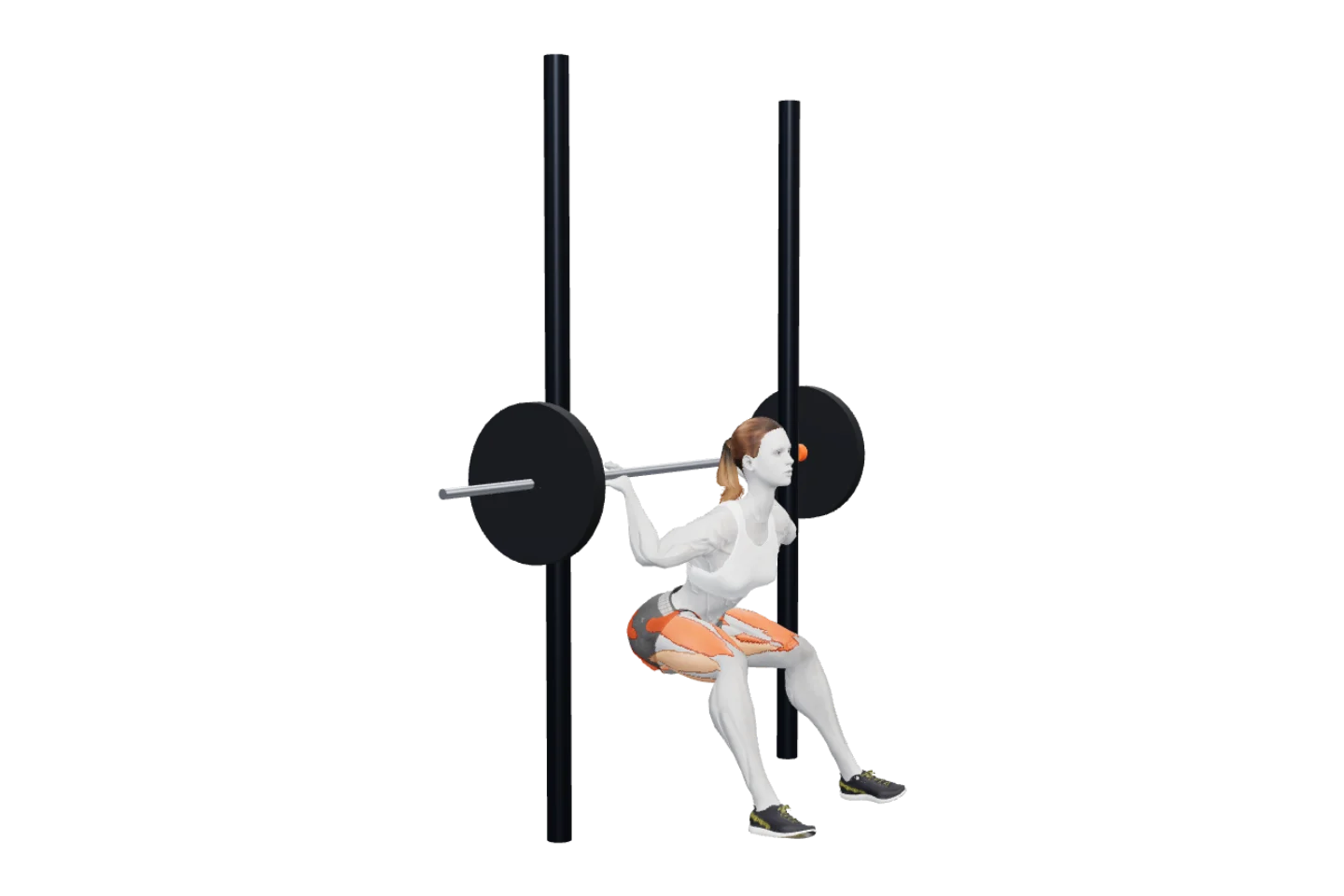
Back Squat
Barbell on the upper back, squat to at least parallel.
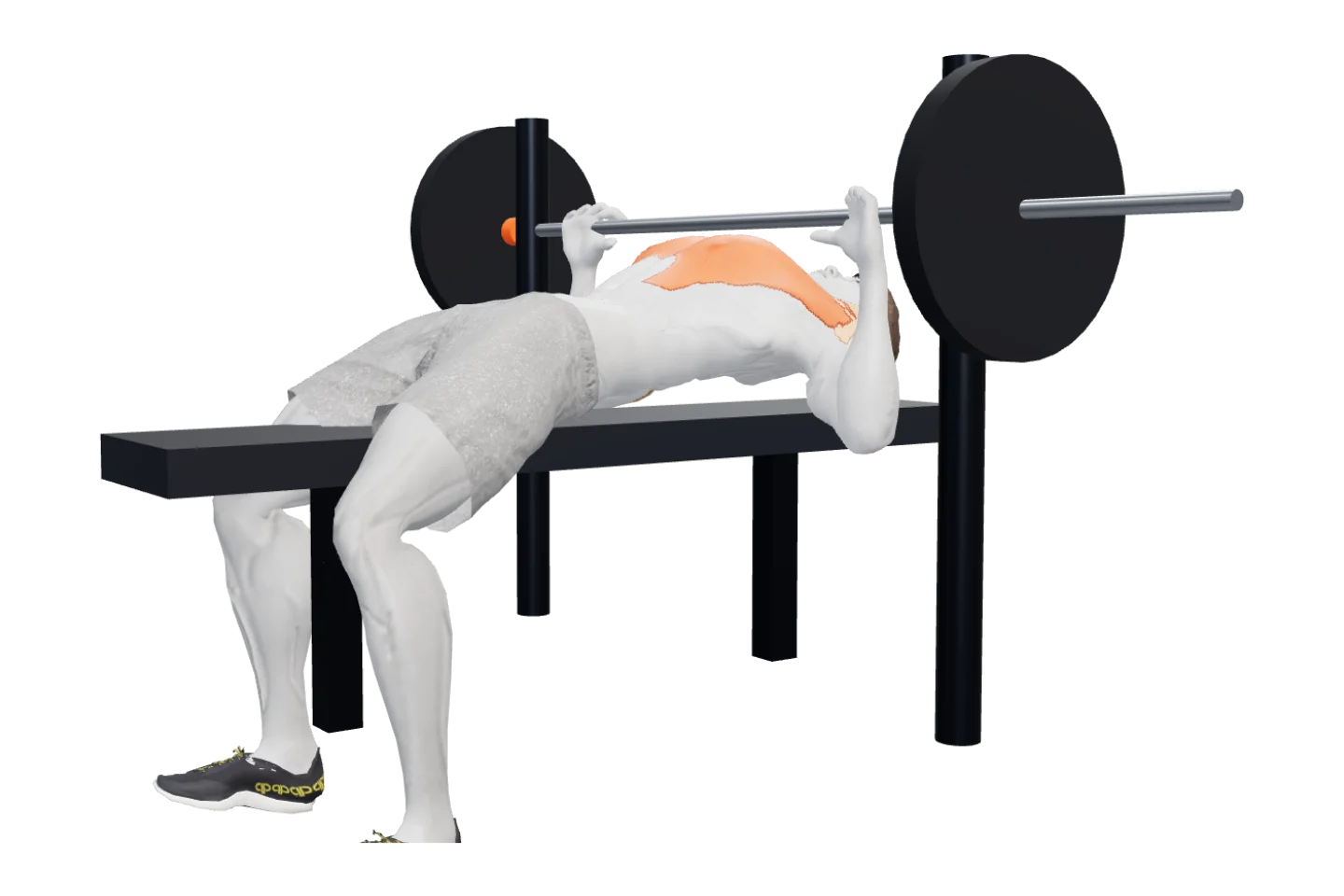
Bench Press
The classic barbell press for chest, shoulders and triceps.
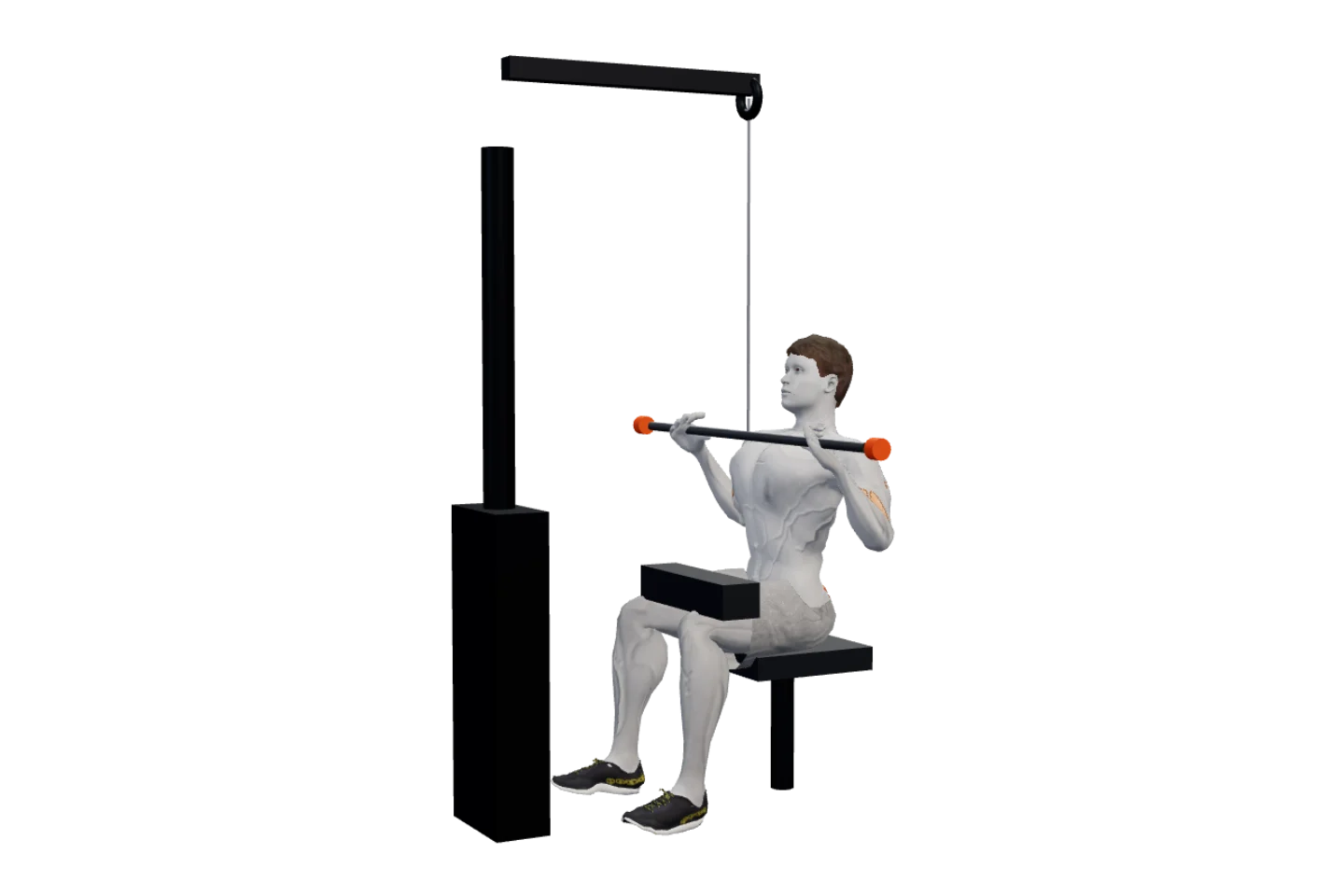
Lat Pulldown
Cable vertical pull; the pull-up you can load precisely.
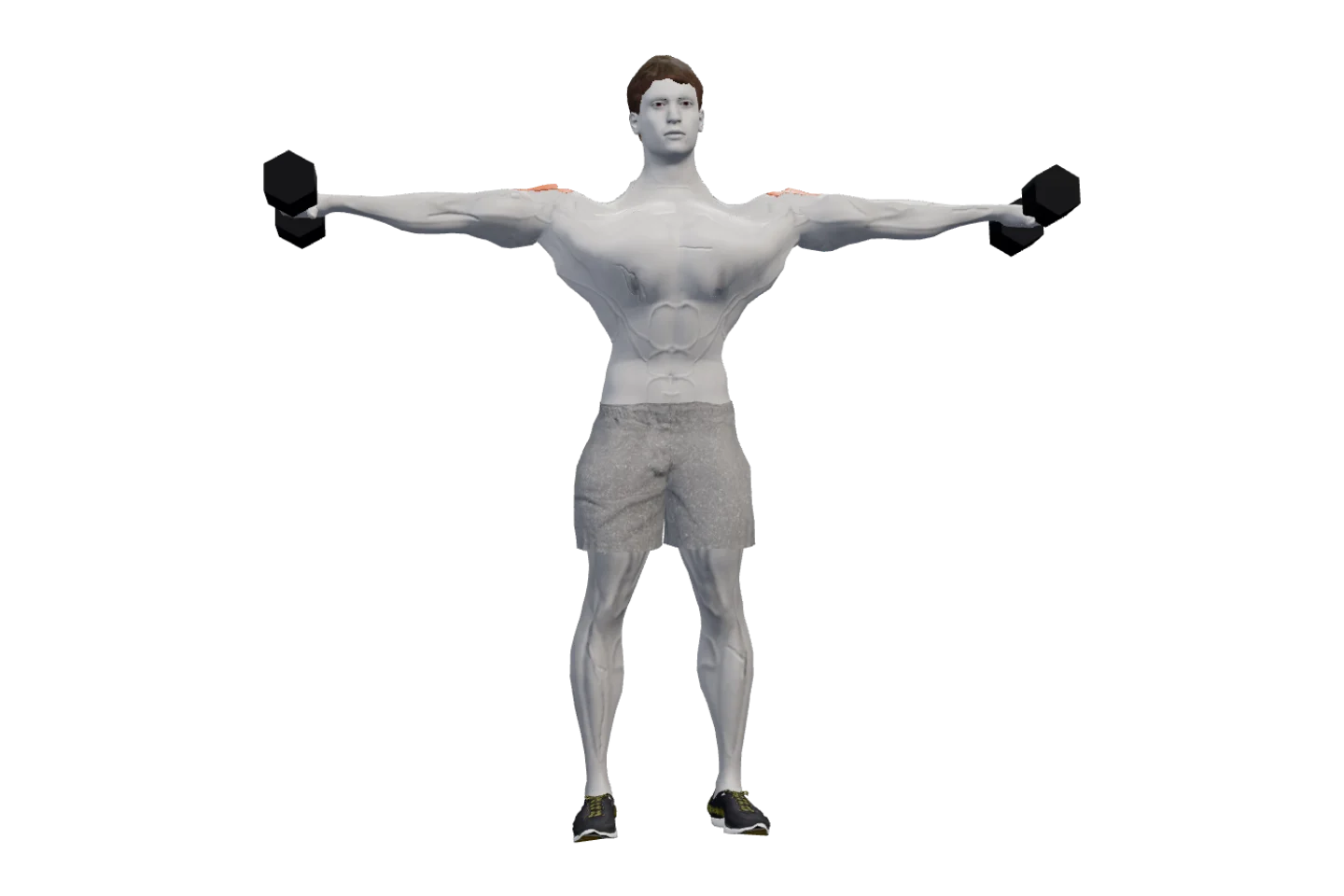
Dumbbell Lateral Raise
Raise the dumbbells out to the sides for wider shoulders.
Sources
- Plotkin D et al. (2022) Progressive overload without progressing load? The effects of load or repetition progression on muscular adaptations. PeerJ 10:e14142. doi.org/10.7717/peerj.14142
- American College of Sports Medicine (2009) Position stand: Progression models in resistance training for healthy adults. Med Sci Sports Exerc 41(3):687–708. doi.org/10.1249/MSS.0b013e3181915670
- Bell L et al. (2023) Integrating deloading into strength and physique sports training programmes: an international Delphi consensus approach. Sports Med Open 9:87. doi.org/10.1186/s40798-023-00633-0