Key takeaways
- You still train during a deload, just much lighter: about half the sets and 10–15 % less load.
- Planned deloads usually come every 4–8 weeks; reactive deloads come when signs of fatigue pile up.
- Volume is the main lever. Keep loads moderate so technique and the feel of heavy weights stay sharp.
- Afterwards, restart at the effort level of a new block, not with max attempts.
What is a deload week?
A deload is roughly a week in which you deliberately reduce your overall training stress. An international expert consensus led by Bell and colleagues (2023) defined it as a period of reduced training stress designed to reduce physical and psychological fatigue, promote recovery and improve readiness for the next block of training.
A deload is not a week off. You go to the gym as usual and do the same exercises, just fewer sets and lighter. That keeps your movement patterns and your feel for the weights while your body gets a breather.
Why deload at all?
Hard training builds fitness, but it also builds fatigue. As a block progresses, training volume and effort rise and sets get closer to failure. At some point fatigue starts to mask your progress: weights feel heavier even though you are actually stronger.
A deload serves several purposes:
- Clearing fatigue. When the load drops for a while, your performance has time to recover and show.
- Rest for joints and tendons. Connective tissue adapts more slowly than muscle, and a hard block often shows up first in elbows, knees or shoulders.
- A mental break. A week without grinding through every set restores motivation.
- A planning checkpoint. It is a natural moment to review what worked and what to change next block.
When should you deload?
Planned deloads
Most programs put the deload in the calendar in advance. In coaching practice the interval is typically 4–8 weeks. In the 18-week full-body program, for example, weeks 6, 12 and 18 are deloads: five weeks of building effort, then one light week.
Planned deloads work especially well if you train in phases and take sets close to failure at the end of each phase. Fatigue then builds predictably, and the deload lands at the right moment.
Reactive deloads
The other approach is to deload when your body asks for it. This suits steadier training, or when life gets in the way: a busy stretch at work, poor sleep or illness can make a deload necessary sooner than planned.
Many lifters combine the two: the deload is scheduled, but you can move it a week either way based on how you feel. Beginners who train well short of failure usually need deloads less often than experienced lifters.
Signs you need a deload
One bad session means little. Pay attention if several of these repeat over a week or two:
- the same weight feels heavier, meaning your RIR is lower than last week
- reps or loads drop over two or three sessions in a row
- joints feel constantly achy or stiff
- sleep gets worse and your resting heart rate is elevated
- you have no drive to train even though the rest of life is fine
Logging RIR on at least your heaviest set helps here. When the same 100 kg squat set slides from RIR 2 to RIR 0 without any added weight, fatigue has probably built up.
How to deload
You have three levers: number of sets (volume), weight (intensity) and how close to failure you go (effort). The expert consensus put most weight on cutting volume and keeping sets clearly further from failure.
| Approach | What changes | Good when |
|---|---|---|
| Volume deload | Sets cut about in half, load the same or slightly lower | You want to keep the feel of heavy weights |
| Intensity deload | Loads down 20–30 %, sets mostly unchanged | Your joints need a break from heavy loads |
| Combined | About half the sets, 10–15 % lighter, RIR 4 | Most situations, including SimuFit programs |
| Active rest | No gym training, light activity only | Holidays or a need for a full break |
Example
In a normal week you do the Back Squat for 4 × 6 at 100 kg, RIR 1. In the deload you do 2 × 6 at 85–90 kg, leaving about four reps in the tank. Accessories follow the same logic: half the sets and well short of failure.
Common deload mistakes
- Not cutting enough. Dropping just one set barely touches fatigue. Halve the sets and stay around RIR 4.
- Testing maxes. The deload is for recovery. Save PR attempts for later in the next block.
- Always skipping it. If you skip it every time because you “feel fine”, fatigue builds quietly and the last weeks of each block lose their value.
- Ignoring life stress. Poor sleep, a demanding job or dieting all slow recovery. In those periods you may need a deload sooner, for example every 4–5 weeks.
What to do after a deload
The week after a deload often feels surprisingly good. That means fatigue has cleared, not that it is time to chase a PR. Here is what to do:
- Start the next block at its starting effort. For example, RIR 3 on main lifts and loads slightly above where you started the previous block.
- Build effort gradually. Continue progressive overload week by week towards the end of the block.
- Review the last block. If fatigue showed up as early as week three, consider slightly less volume. If the block felt easy to the end, you can add sets.
In SimuFit, deload weeks are built into the ready-made programs, and AI-built programs include deloads too, checked by deterministic rules before you see the plan. During a deload week, the logger shows your sets already halved and reminds you to go lighter.
Questions and answers
How often should I deload?
Usually every 4–8 weeks, depending on how hard and how close to failure you train. Beginners often need deloads less frequently.
Will I lose muscle or strength during a deload?
No. One lighter week is not enough to reduce muscle or strength, and many people come out of a deload stronger because fatigue has cleared.
Can I take the whole week off instead?
You can, for example on holiday. Light training is usually the better choice because it keeps your movement patterns and feel for the weights.
Should I change my diet during a deload?
No need. Keep protein and overall eating the same so recovery supports your next block.
Exercise library
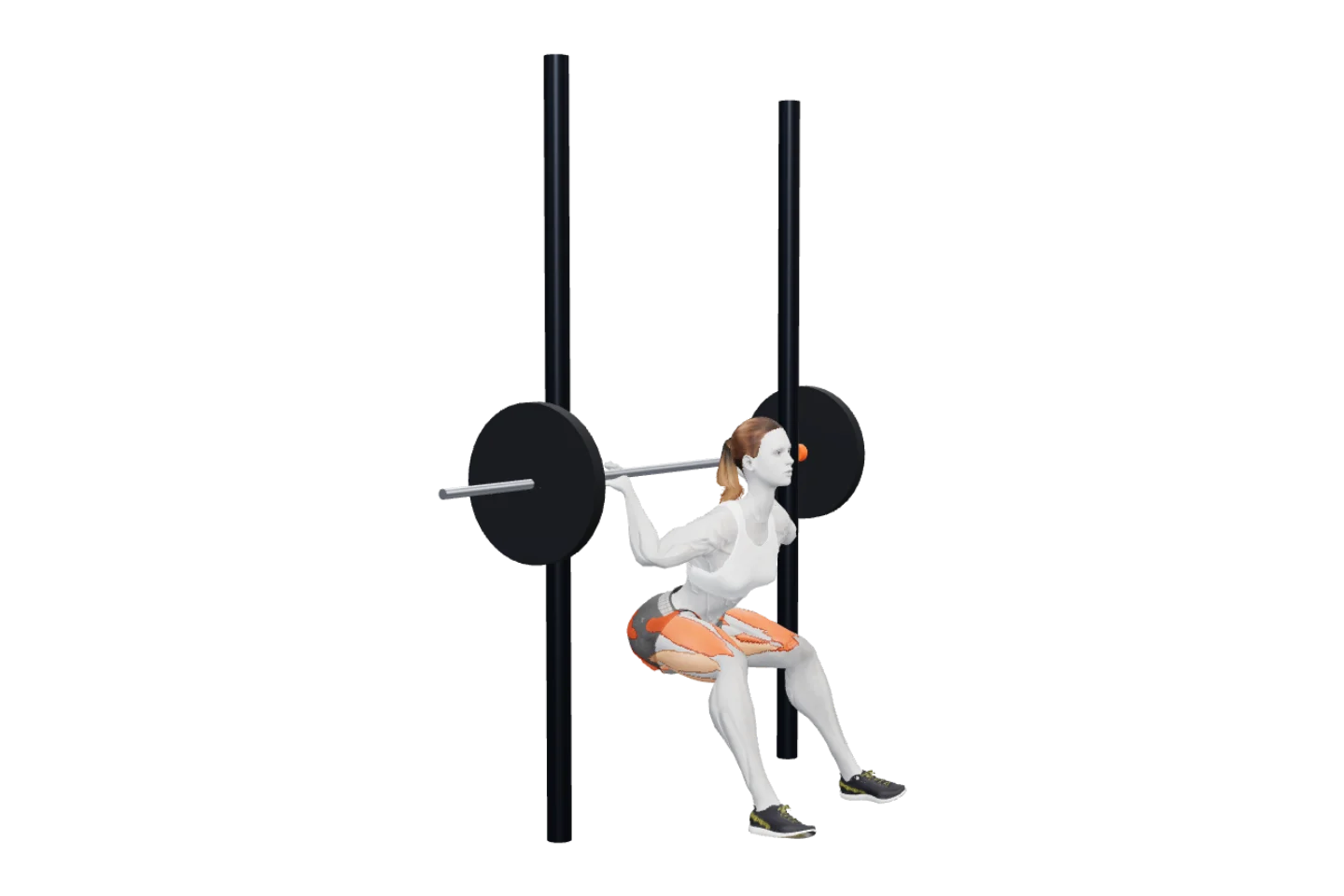
Back Squat
Barbell on the upper back, squat to at least parallel.
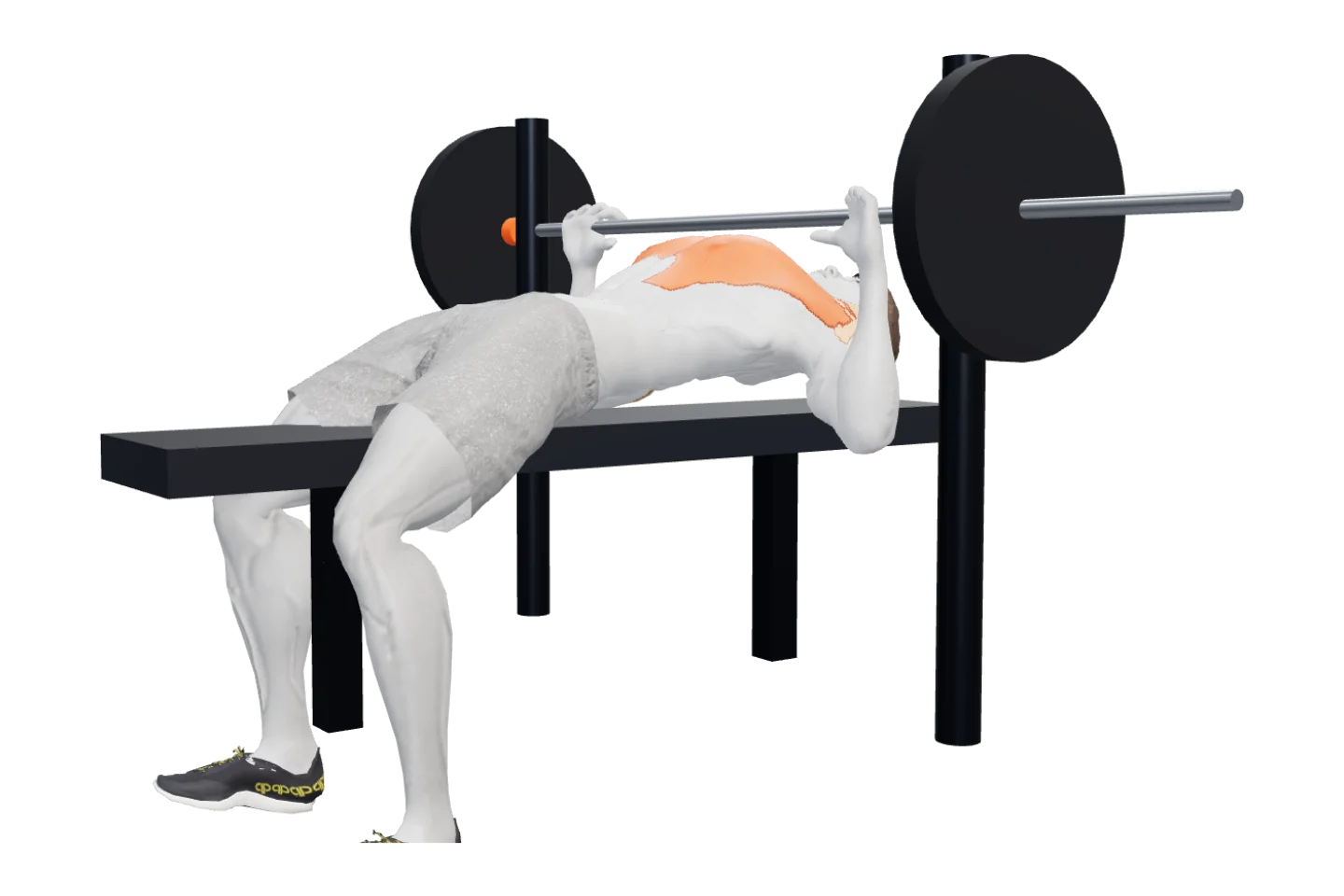
Bench Press
The classic barbell press for chest, shoulders and triceps.
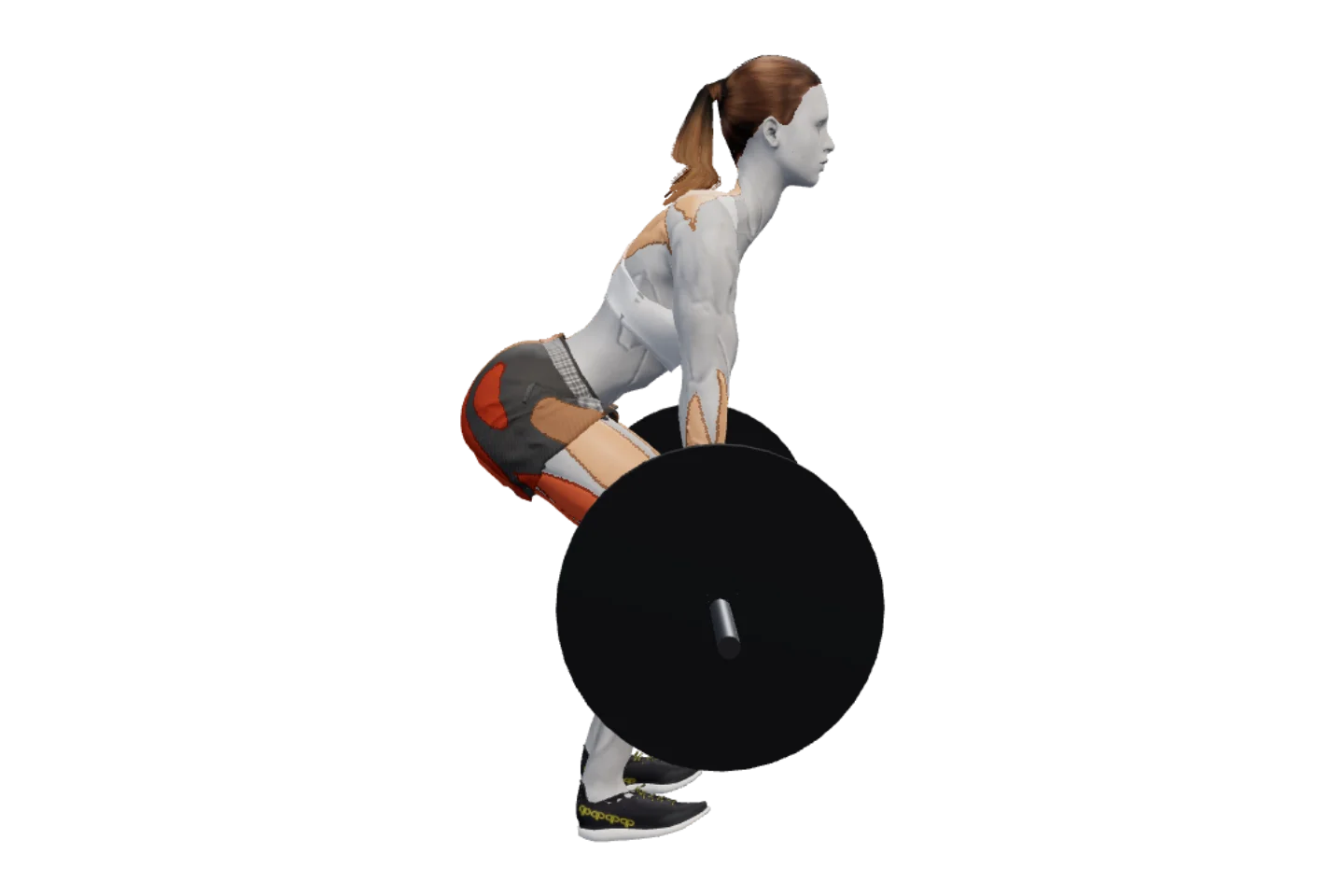
Deadlift
Lift the barbell from the floor with a flat back.
Sources
- Bell L, Strafford BW, Coleman M, Androulakis Korakakis P, Nolan D (2023) Integrating Deloading into Strength and Physique Sports Training Programmes: An International Delphi Consensus Approach. Sports Med Open 9:87. doi.org/10.1186/s40798-023-00633-0
- Bell L, Nolan D, Immonen V et al. (2022) “You can’t shoot another bullet until you’ve reloaded the gun”: Coaches’ perceptions, practices and experiences of deloading in strength and physique sports. Front Sports Act Living 4:1073223. doi.org/10.3389/fspor.2022.1073223
- Coleman M, Burke R, Augustin F et al. (2024) Gaining more from doing less? The effects of a one-week deload period during supervised resistance training on muscular adaptations. PeerJ 12:e16777. doi.org/10.7717/peerj.16777